Consulting Meets Compliance: Lessons from Managing Multi-Country EU Projects
3 things that can make or break an EU project proposal
In multi-country EU projects the challenge is rarely finding a good idea. The real challenge is turning that idea into a proposal that different organisations, programme requirements and implementation realities can support.
A strong EU project proposal needs to demonstrate more than ambition. It needs to show that the right partners are in place, that the project is designed within the relevant framework and that there is a credible route from objectives to measurable results.
At EUROCY, our experience across Erasmus+, Research & Innovation Foundation and Horizon projects has shown us that successful project design sits at the intersection of strategic thinking, compliance and practical implementation.
Drawing on experience from projects such as PATH2Succeed, HoReCa5.0, Cocreate2Learn and more, there are three lessons that can make a meaningful difference to the strength and credibility of an EU project proposal.
1. Build the consortium around capability, not just geography
A multi-country consortium should be more than a collection of organisations from different countries.
The strongest partnerships bring together complementary expertise, experience and perspectives with each organisation playing a clearly defined role in achieving the project's objectives. International representation can add value, but only when it is supported by genuine partner complementarity.
This is also reflected in the Erasmus+ evaluation framework, where the quality of the partnership and cooperation arrangements is assessed alongside the expertise and capacity of the participating organisations.
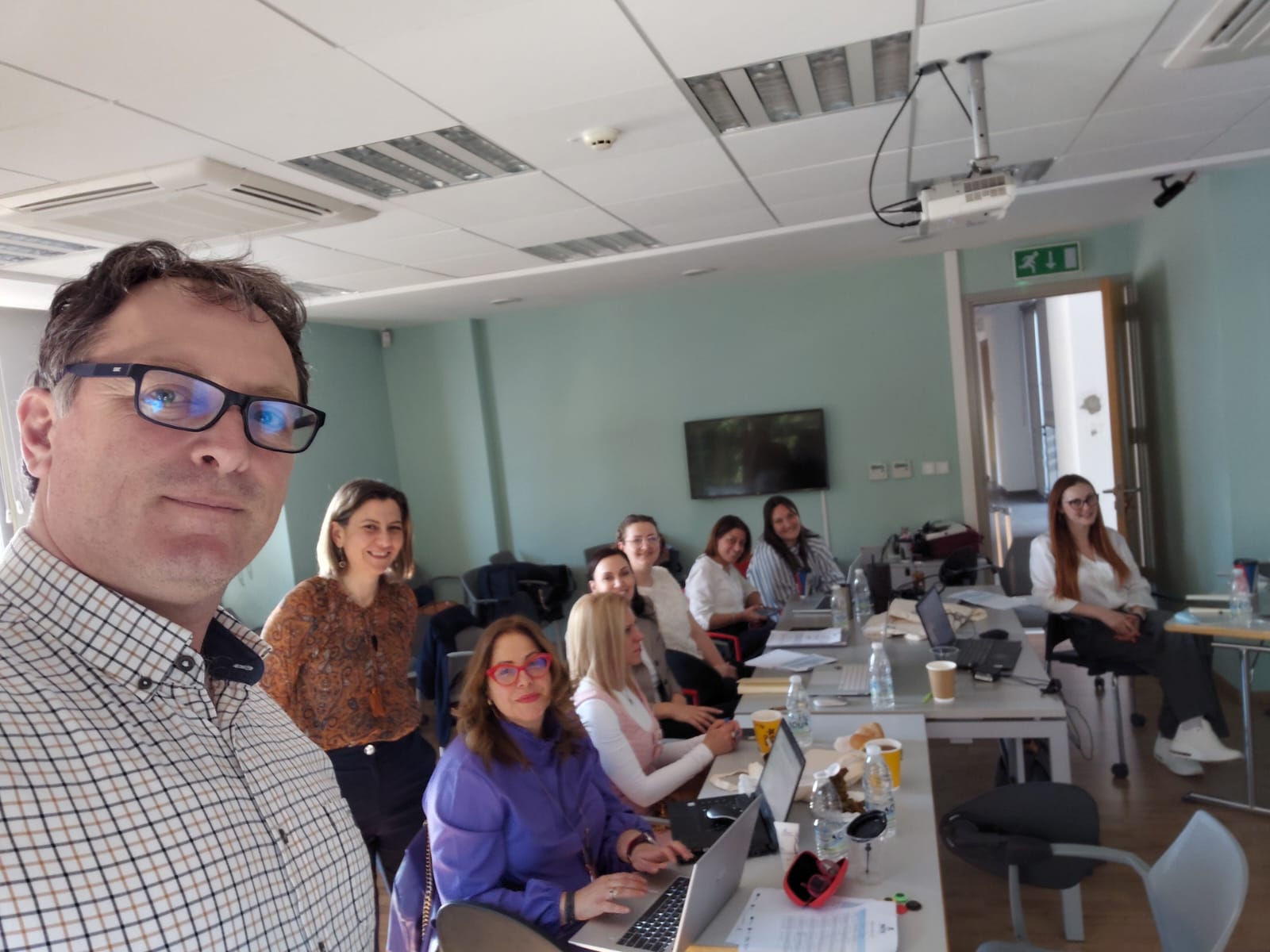
Our experience with PATH2Succeed provides a practical example. The Erasmus+ project brings together organisations from Latvia, Cyprus, Portugal and Bulgaria combining different areas of expertise to support more inclusive and accessible higher education. EUROCY contributes its expertise in educational technology alongside partners with complementary knowledge and experience.
The lesson is straightforward: a strong consortium is not defined by how many countries are represented, but by the value and capability each partner brings.
For proposal writers this means looking beyond eligibility. Each partner should have a clear purpose, a defined responsibility and a demonstrable connection to the project's objectives.
2. Make compliance part of the project design
Compliance should not be treated as a final administrative check.
In EU-funded projects, programme requirements influence the project from the outset, shaping its objectives, methodology, activities, resources, governance, monitoring and expected results. A proposal must, therefore, demonstrate not only that it meets the relevant requirements, but that those requirements have been meaningfully incorporated into its design.
The key point? Compliance should help shape the solution, rather than constrain it at the end of the process.
For project teams, this means considering regulatory, programme and operational requirements while the concept is still being developed. When compliance is embedded into the design, it becomes part of the project's logic, rather than an additional layer of administration.
3. Make implementation believable
A compelling objective may capture attention, but a credible implementation plan is what makes a proposal convincing.
Evaluators need to see a clear connection between needs, objectives, activities, responsibilities, deliverables, resources, timelines and expected impact. They also need confidence that the consortium has considered how progress will be monitored, quality will be managed and results will be sustained beyond the project itself.
For example, PATH2Succeed is moving from project objectives towards the development of practical, technology-driven resources designed to support students with diverse learning needs. Turning these ambitions into tangible outputs requires partners to translate project objectives into concrete learning resources, activities and collaborative processes.
The lesson is simple: a proposal becomes credible when the route from idea to result is visible.
For every major objective, the proposal should make clear what will be done, who will be responsible, what will be delivered, when it will happen and how success will be measured. This alignment gives evaluators confidence that the consortium is not simply describing an attractive vision, but has a realistic plan for delivering it.
From a good idea to a credible EU project
The strongest EU project proposals are not necessarily those with the most ambitious ideas.
They are the ones that demonstrate that the idea is relevant, well designed, compliant and achievable and that the consortium has the governance, expertise and implementation capacity to deliver it.
Our experience across multi-country projects reinforces an important principle: successful EU project management begins long before implementation. It starts with building the right partnership, understanding the requirements and designing a realistic route from objectives to impact.
Before submitting an EU project proposal, it is worth asking three questions:
- Do we have the right partners and expertise?
- Have we built compliance into the project design?
- Can we clearly demonstrate how the project will be delivered?
When the answer to all three is yes, a good idea becomes something more valuable: a credible project with a realistic path to impact.